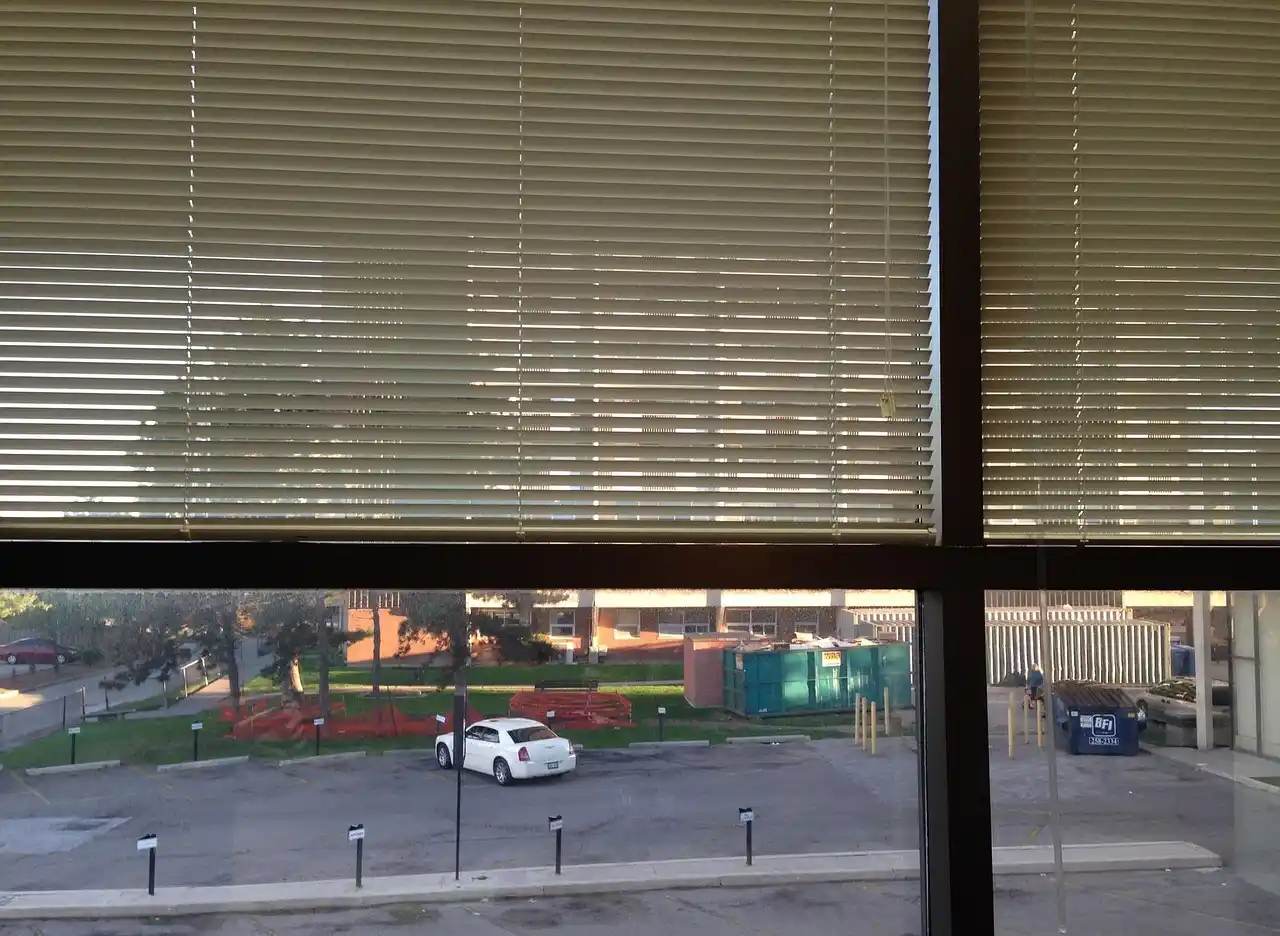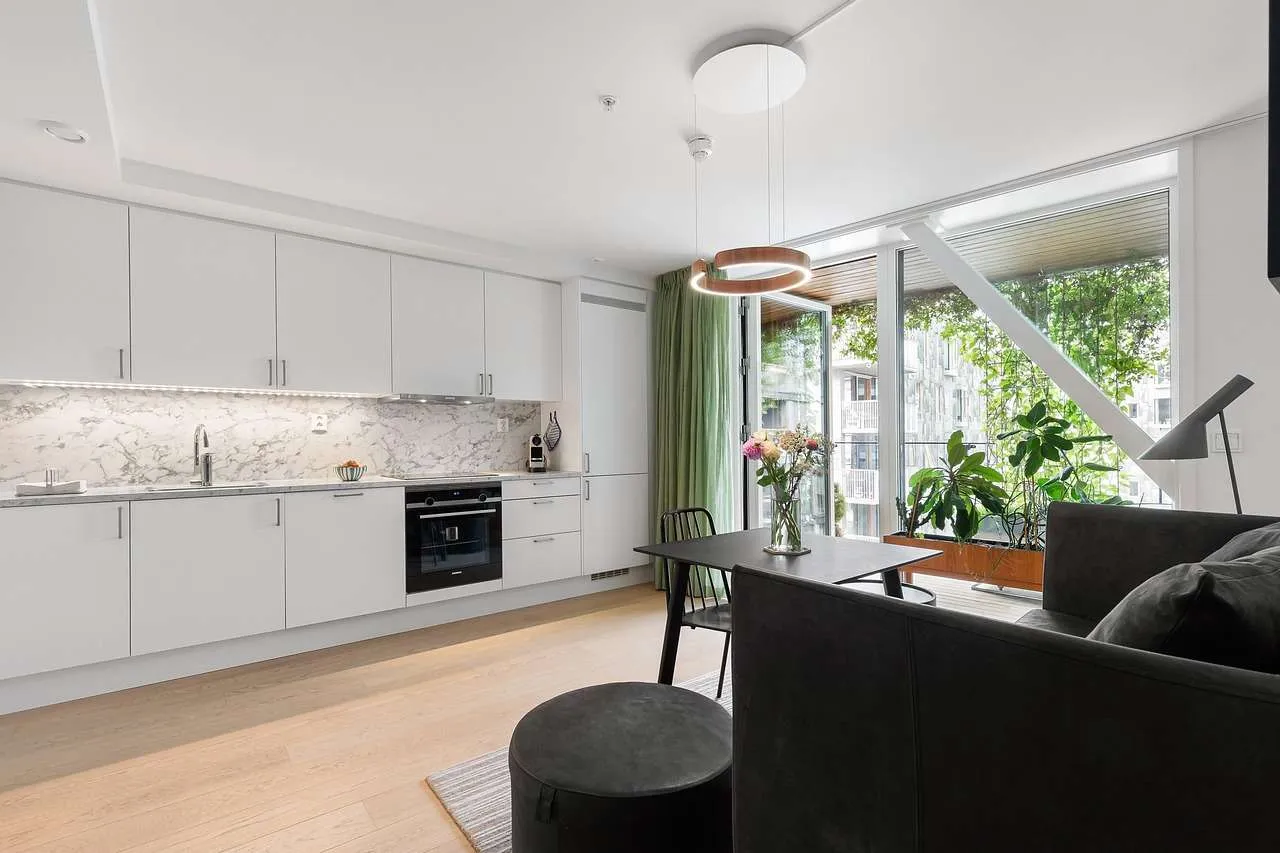
Home window tint is a thin film applied to the interior of glass panes to block heat, filter sunlight, and improve comfort. Modern residential films come in a range of shades and technologies, delivering energy savings, privacy, and UV protection without changing the exterior appearance of your home.
What is home window tint?
Home window tint refers to window films designed for houses. These films are applied to the inside surface of window glass and differ from dyed glass tinting in that they are a separate layer that can be selected for performance. Unlike a cosmetic tint, residential films are engineered to reject heat, cut glare, and block ultraviolet light while preserving daylight and outward visibility.
Benefits of home window tint
- Energy savings by reducing heat transfer and cooling load
- UV protection to prevent fading of floors, furniture and artwork
- Glare reduction that makes daytime viewing more comfortable
- Privacy without sacrificing much daylight
- Enhanced safety and shatter resistance in case of breakage
Types of home window film
Dyed film
Dyed films are the most budget friendly. They absorb heat rather than reflecting it, which helps with comfort but may fade and offer limited UV protection over time. They are a common entry point for privacy and glare control.
Metalized film
Metalized films reflect a portion of solar radiation, delivering strong heat rejection. They can be effective for bright rooms but may interfere with electronic signals and can create a noticeable reflective look on sunny days.
Carbon film
Carbon films balance performance and aesthetics. They provide high heat rejection with little to no reflectivity, helping maintain a natural exterior view while protecting interiors from UV.
Ceramic film
Ceramic films offer the best overall performance, including excellent heat rejection, high UV blocking, and minimal interference with devices. They are typically the most expensive option but deliver long term energy savings and clarity.
How to choose the right film
Choose based on climate, sun exposure, and goals. If energy savings and clarity are priorities, consider carbon or ceramic. If budget is tight and privacy is important, dyed or lightly tinted options can work. Check the film warranty, VLT ranges, UV rejection, and outdoor glare reduction. Ensure the installer uses a quality adhesive and that the project complies with local codes and HOA rules.
DIY vs professional installation
DIY installation can save upfront costs but requires skill to avoid bubbles, dust, and misalignment. Professional installation protects warranty and offers a neat finish with consistent glazing. Most projects are completed in a day or two depending on window count, and costs reflect square footage and film type.
Cost and ROI
Residential window tint costs typically range from a modest to mid range per square foot, including installation. Expect roughly five to twelve dollars per square foot installed, depending on film type and complexity. Energy savings, reduced fading, and improved comfort can yield a favorable return over several years, especially in sunny climates.
Maintenance and care
Clean with a soft cloth and a mild soap solution. Avoid ammonia-based cleaners, abrasive pads, or rough scrubbing. Regular cleaning helps preserve clarity and extend film life. After installation, allow adhesives to cure and follow the installer guidance for maintenance pauses.
Comparison of film types
| Film Type | UV Rejection | Heat Rejection | VLT Range | Durability | Typical Cost | Best For |
| Dyed | Up to 99% | Moderate | 35-65% | Low | Low | Privacy, budget |
| Metalized | High | High | 20-60% | Medium | Medium | Heat control with some reflectivity |
| Carbon | High | High | 25-65% | Medium-High | Medium-High | Balanced performance |
| Ceramic | Excellent | Excellent | 20-60% | High | High | Best overall protection |
FAQ
- Will tint affect night visibility? With proper VLT levels, night visibility remains acceptable, but very dark films can reduce it.
- Is tinting legal everywhere? Regulations vary; check local codes and HOAs.
- Does installation affect my warranty? Some manufacturers require professional installation for warranty; confirm with installer.
Summary: Home window tint offers tangible benefits in energy savings, UV protection, privacy, and safety. When choosing, consider goals, climate, and budget; opt for higher-quality films like carbon or ceramic for best ROI; professional installation is recommended to protect warranty and ensure clean results. Regular maintenance extends film life and keeps windows looking clear.