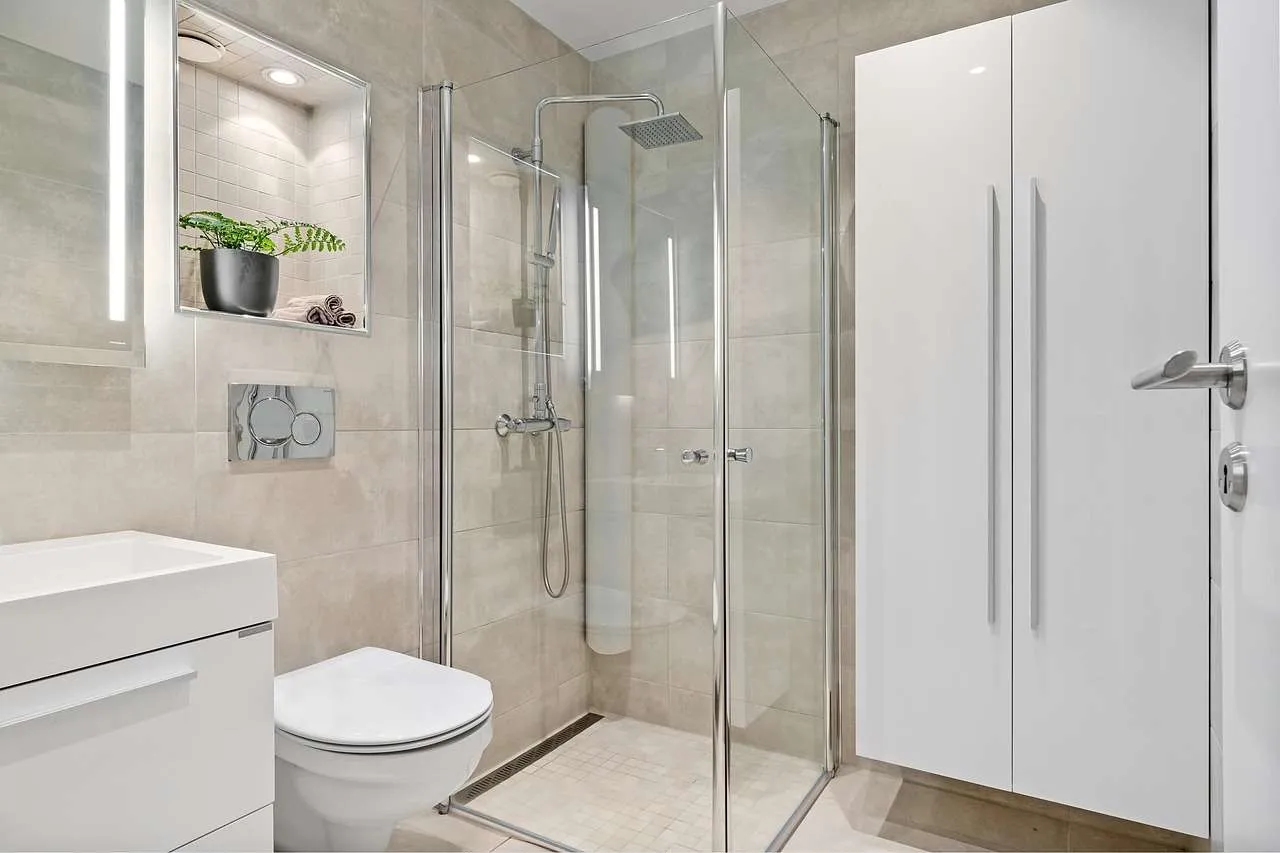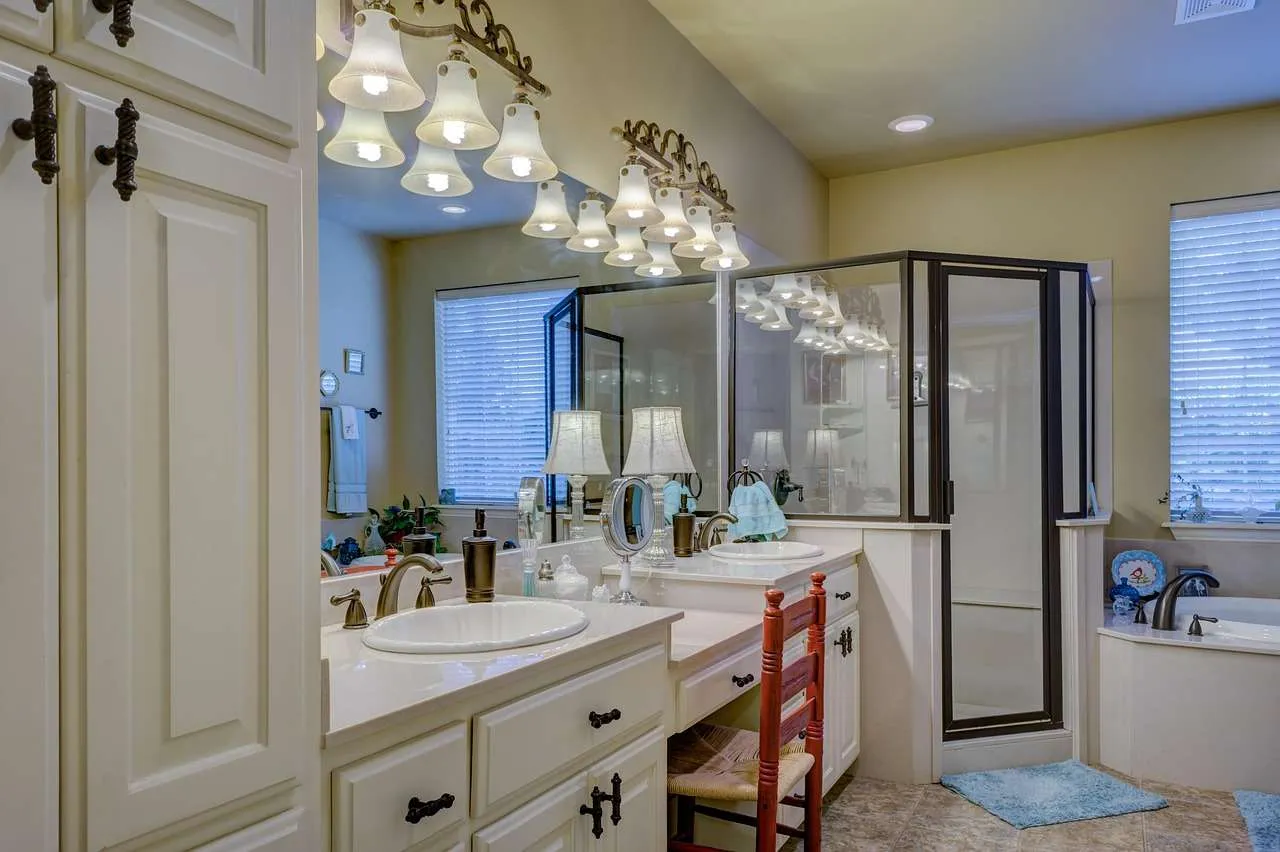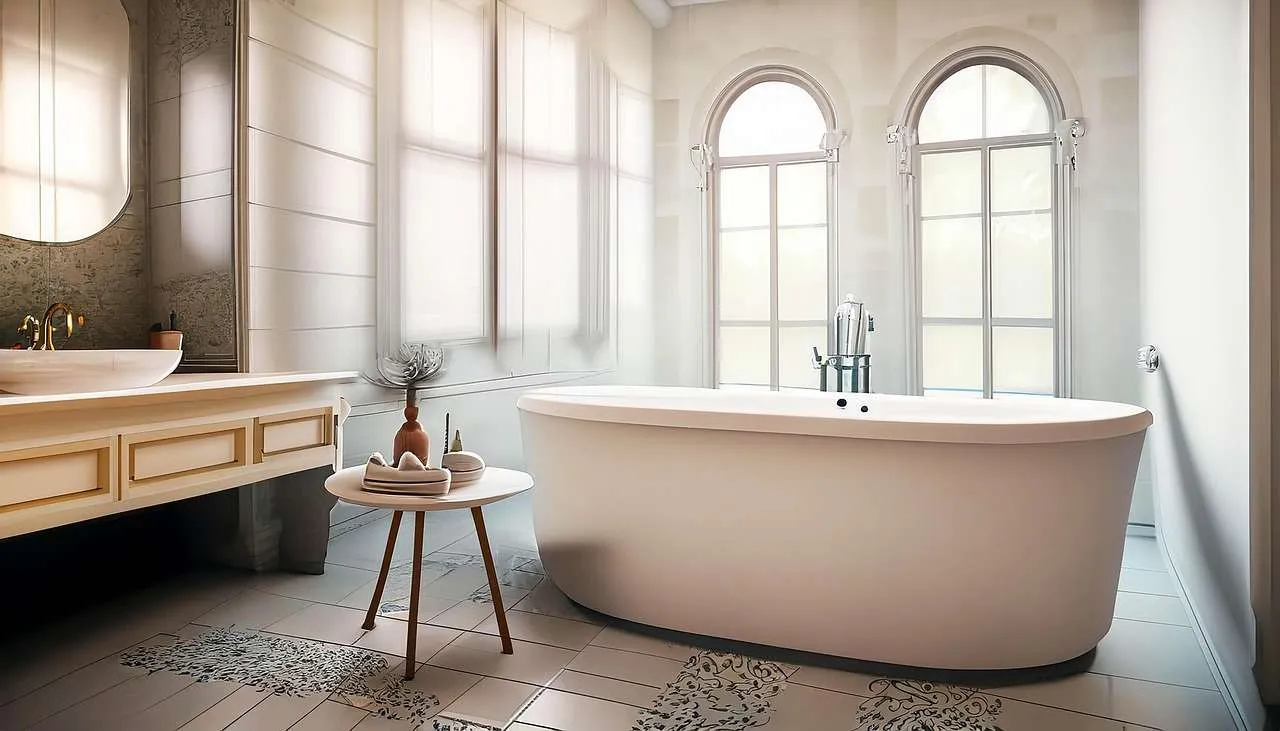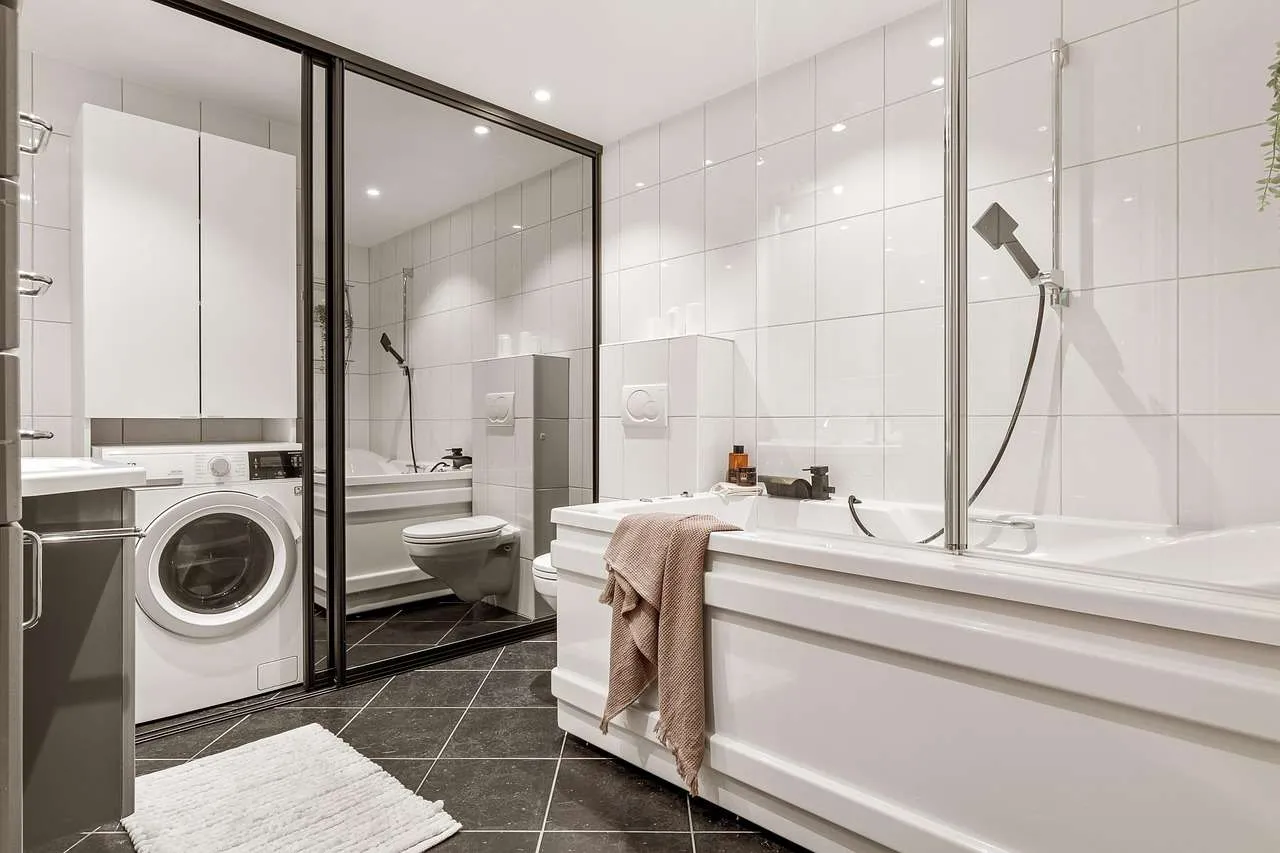
Bathroom tile is a fundamental element of any bathroom design. It sets the mood—from spa-like retreats to contemporary minimalism—while delivering durability against moisture, mold, and frequent cleaning. This guide covers choosing the right tile material, finishes, sizes, installation considerations, and upkeep to help homeowners, designers, and contractors align with EEAT principles: Expertise, Authority, and Trustworthiness.
Understanding Bathroom Tile: Material Matters
Tiles come in a range of materials, each with distinct properties. Ceramic and porcelain are popular for their balance of cost, performance, and ease of maintenance. Natural stone offers luxury and unique veining but requires more care. Glass and mirrored or iridescent mosaics can brighten a room and create focal points. When selecting, consider moisture exposure, foot traffic, and your design goals.
Ceramic vs Porcelain
Ceramic tile is fired at lower temperatures and is well-suited for walls and backsplashes. It is generally less dense and more prone to chipping on floors, but modern glazed ceramic is durable and affordable. Porcelain tile is a denser, low-porosity option that performs well on floors and in wet areas. Its tight composition helps resist staining and moisture when installed correctly.
Natural Stone and Glass
Natural stone such as marble, travertine, or slate adds luxury and character, with dramatic veining and color variation. Stone requires sealing, periodic maintenance, and a plan for grout care to prevent staining. Glass tiles, often used as accents or backsplashes, reflect light and can make small spaces feel larger. They demand proper grout and are typically used in combination with other materials.
Finish, Texture, and Size
Finish influences slip resistance, cleaning, and the perceived texture of a room. Matte and satin finishes reveal less water spot and are popular in showers, while high-gloss finishes enhance light in cabinets and backsplashes but show more fingerprints. Texture adds safety in wet areas (anti-slip surfaces) and depth to walls or floors. Size and layout choices—from subway 3x6 inches to large-format 12x24 or 24x48 slabs—change the rhythm of a space and require planning for grout width and alignment.
Patterns and Layouts
Subway tiles arranged in a classic offset or stack bond create timeless appeal. Herringbone, brick, or radial patterns add movement and personality. Consider a cohesive color story and a grout color that complements or contrasts intentionally to highlight the joints.
Installation and Maintenance Tips
Preparation matters: ensure a clean, stable substrate, proper waterproofing, and an appropriate backer board for wet zones. Choose the right thinset mortar for your tile type, and use a quality grout with stain resistance for easier upkeep. Seal natural stone to deter moisture and staining, and plan for re-sealing as recommended by the manufacturer. Regular cleaning with pH-balanced cleaners and avoiding harsh abrasives will preserve color and texture. For DIY projects, follow manufacturer instructions and consider professional installation for large areas or heated floors.
Comparison: Tile Materials at a Glance
| Material | Pros | Cons | Best For |
|---|---|---|---|
| Ceramic | Affordable, easy to cut, versatile | Less durable on floors, absorption may vary | Walls, backsplashes, low-traffic floors |
| Porcelain | Dense, low porosity, durable | Higher cost, harder to cut | Showers, floors, high-traffic baths |
| Natural Stone | Luxurious, unique veining | Requires sealing, maintenance, cost | Showers, floors with premium look |
| Glass Mosaic | Reflects light, vibrant accents | Grout maintenance, can be slippery if not oriented | Backsplashes, feature walls |
When selecting a tile, also consider environmental impact and supplier reputation. Look for durable, water-resistant products, check slip-resistance ratings for floors, and verify warranty terms. Working with an experienced contractor or interior designer enhances results and aligns the project with local building codes and best practices.
Conclusion, selecting bathroom tile is a balance of aesthetics and practicality. Ceramic and porcelain offer durability and value, natural stone delivers luxury with maintenance, and glass mosaics add light and personality. Always prep the substrate correctly, choose appropriate materials for moisture exposure, and follow sealing and cleaning guidelines to maintain beauty and hygiene for years.